Part-Time Work Rules For International Students In Australia: The Latest Updates
03 March 2026
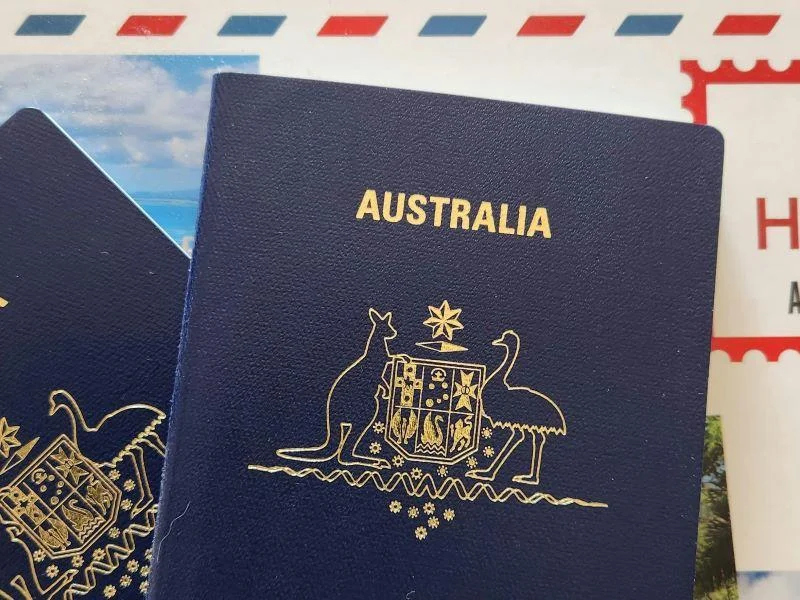
Many international students in Australia have plans to work part-time to earn income and cover their living expenses. Nevertheless, their ignorance of the part-time work rules for international students in Australia is a common problem. Misunderstanding and breaching these rules can put you in hot water. So, let?s explore the most recent regulations with us now!
Quick Answer: How Many Hours You Can Work on a Student Visa
Even if you have already arrived in Australia, international students are not permitted to start working before the official start of your course.?
- During Study Periods: While your study is in session, you can work up to 48 hours every 2 weeks. Both paid and unpaid jobs like volunteer work or internships that are not required for your course, are subject to this work-hour restriction.
- During Breaks (Holidays & Semester Breaks): The number of hours that you can work during semester breaks , public holidays and certain holiday periods is unlimited, in contrast to study periods.?
Yet, the hours will not count toward your maximum work hours per 2 weeks if your course requires work experience in order for you to earn your degree.?
Moreover, there is no cap on the number of hours you can work if you are a postgraduate research student who has started your master?s by research or doctoral degree in Australia.
Visa Condition 8105 Explained
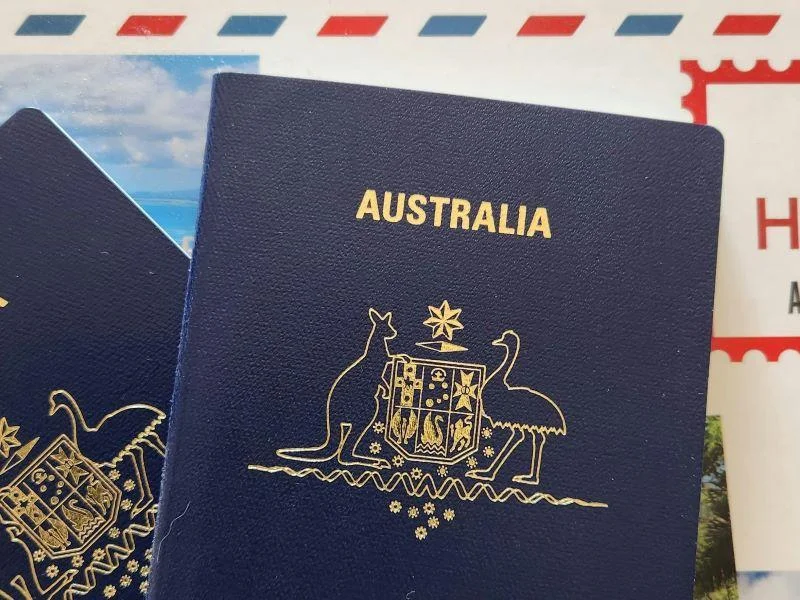
Visa condition 8105 introduces the work limitations for student visa holders. After your course starts, you can work up to 48 hours every 2 weeks while your course is in session and as many hours as you want when it is not.
What ?in session? vs ?not in session? actually means
A course is IN SESSION:
- The duration of the school semester (including when exams are being conducted)
- When you take part in another course that will count towards your main course during a term break
A course is NOT IN SESSION:
- The scheduled course breaks
- When your course was postponed or suspended in accordance with Standard 9 of the National Code of Practice for Providers of Education and Training to Overseas Students
- When you have finished your course with a valid visa as stated on your enrollment confirmation
- When your enrolment was cancelled because of your education provider’s default and until you receive a new enrollment to begin another course.
Counting examples for a fortnight??
A fortnight lasts 14 days, starting on Monday and concluding on Sunday of the subsequent week. Here is an example of a student visa holder’s 48-hour work limit per 2 weeks:
- Week 1: 30 work hours?
- Week 2: 18 work hours?
- Week 3: 30 work hours?
- Week 4: 15 work hours?
In this example, the student does not breach the work conditions in the fortnight comprising 14 days of weeks 1 + 2 (48 hours worked), in the fortnight comprising 14 days of weeks 2 + 3 (48 hours worked), or in the fortnight comprising 14 days of weeks 3 + 4 (45 hours worked).
You can only exceed this work hour limit when your course is not in session. For example, you can work 75 hours a fortnight as a salesman at a store during school holidays.
Pay & Workplace Basics?
Regardless of your international student status, you have the same workplace rights and protections as other native employees. All rights are upheld and enforced under the Fair Work Act and by the Fair Work Ombudsman.

National Minimum Wage & Awards??
The Fair Work Commission reviews and updates the national minimum wage set by the Australian government every year. According to the most recent update as of 1 July 2025:
- The National Minimum Wage is AUD 24.95 per hour or AUD 948.00 per week before tax.
- A 25% casual loading is also awarded to casual workers who are covered by the National Minimum Wage.
- Industry-specific minimum wages may vary depending on the agreements
In the national workplace system, awards cover the majority of workers. The minimum wage and other terms and conditions for workers in specific industries and professions are included in awards.
Under awards, minimum wages could consist of:
- Pay rates for adults, in some cases, at different rates according to experience and qualifications
- Pay rates for juniors, employees with disability, and employees to whom training arrangements apply
- Casual loadings
- Piece rates
Furthermore, according to Australian law, employers must provide insurance to cover you in the event that you get sick or hurt at work. In that case, insurance, aka Workers? Compensation, might be used to pay for medical care or earnings until you are able to resume your work.
Superannuation for Students
Australian law mandates that employers provide you with superannuation payments for the duration of your employment at the business, even if you are an international student.?
These payments are a type of retirement savings. If you meet the requirements for legal departure, you can receive your retirement allowance back when you leave the country.
Payslips, record-keeping & where to get help
Employers who hire workers in accordance with applicable workplace rules must:
- Create and maintain comprehensive records for each employee (such as time worked and wages paid)?
- Provide payslips to each employee
The purpose of these record-keeping and payslips requirements is to guarantee that workers receive their proper compensation and benefits.
Payslips
Every employee must get a payslip, either in physical copy or electronic format, within one working day of pay day, even when they are on leave. Besides, it is advisable to prepare payslips in English.
Each day period?s payments, deductions and super contributions must be listed on payslips. According to the Fair Work Act and the Fair Work Regulations, each employee?s payslips must contain the following information:
- The employer’s name
- The employer’s ABN (if any)
- The employee’s name
- The date of payment
- The pay period
- The gross and net amount of payment
- Any financial allowances, bonuses, incentive-based payments, penalty rates, loadings (including casual loading), or other distinct entitlements paid.??
Moreover, a payslip must contain any of the following (if applicable):
- If the employee is paid an hourly rate, the regular hourly rate, the number of hours worked at that rate, and the amount of payment made at that rate
- If the employee is paid an annual rate of pay (salary), the rate as of the last day of the pay period
- Any deductions made, including the name or number of the fund or the account of each deduction?
- If the employer is obligated to make super contributions for the employee’s benefit:
- The name or number of any super fund into which the contributions were made or will be made?
- The amount of each contribution the employer made or plans to make during the pay period
However, an employer is exempt from proving the super fund name or number on a payslip to a new worker within 14 days of their first pay day in case:
- The worker has not informed the employer of the super fund they have selected
- The Australian Taxation Office has not provided the employer with the employee?s stapled super fund information
Record-keeping
Employee records must be:
- In a format that a Fair Work Inspector can easily access
- Readable and in in plain, simple English?
- Retained for 7 years
- Without alteration (except for fixing an error)
- True and not misleading to the employer
Employee records are confidential and private. They are often only accessible by the employee, their employer, and the relevant payroll personnel. When an employee or former employee requests copies of their records, employers are bound to provide them.
| Record types | Details |
| General records |
|
| Pay records |
|
| Hours of work records |
|
| Leave records | When the worker is entitled to leave, the record must include:
When a worker and their employer agree that the worker will take a period of yearly leave ahead of an accrued amount of leave, the employer is required to maintain a copy of the agreement that:
When a worker and their employer have given consent to cash out accrued leave, the employer must keep a copy of the agreement that:
|
Where to Get Help
If you have any questions about your salary, not getting payslips or other issues at your workplace, you can find help through:
- Education Institutions: Most universities and other educational establishments have on-campus legal services or support services for overseas students that can provide guidance on your work?s rights and responsibilities.
- Fair Work Ombudsman (FWO): All workers, including international students, can obtain free information and guidance on their rights and entitlements at work from the FWO, an Australian government organization.
ABN vs TFN: sham contracting risks for students
The employer must have an ABN (Australian Business Number), issued by the Australian Business Register (ABR).?
Meanwhile, for international students, as an employee, you must have a TFN (Tax File Number), issued directly by the Australian Taxation Office (ATO). It will help connect you to Australia’s tax and superannuation systems so you can legally work and pay taxes.
It can be challenging to understand the rules for an ABN vs TFN. One minor mistake can draw unwelcome attention from the ATO. Sham contracting, in which an employer coerces an employee to use an ABN in order to avoid legal duties like superannuation and leave benefits, is one of the most grave errors.?
The employer can face harsh penalties while the employees like you have to endure the consequences such as:
- Loss of entitlements (minimum wage, leave and superannuation)
- Burden of tax and financial liability?
- Visa cancellation
If you think you are in a sham contracting arrangement, you can seek legal advice or report to the Fair Work Ombudsman.
Getting Started: TFN, Banking & Tax
Do you need a TFN?
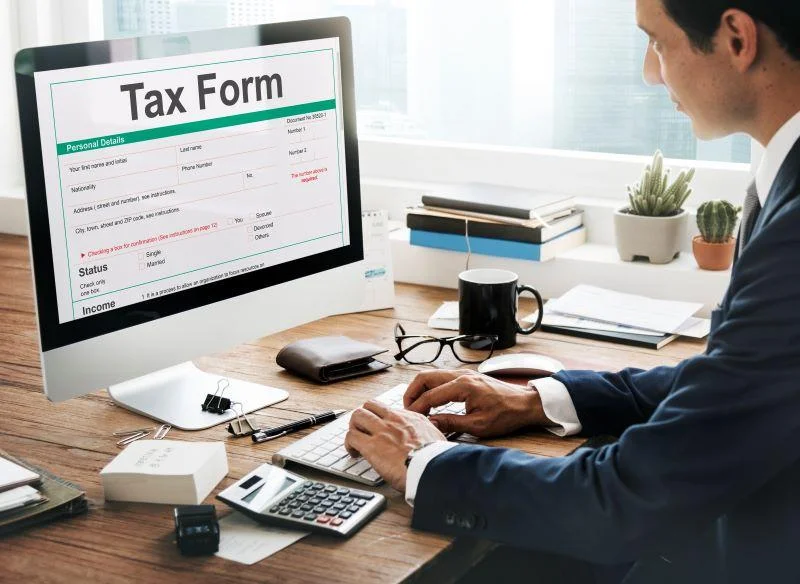
International students working part-time while studying in Australia are subject to pay taxes. If this is your case, you definitely need a TFN.?
Before you begin your part-time job, you must apply for and obtain a TFN from the Australian Taxation Office. This ensures that you won’t have to pay more tax than you are required to.
Basic tax settings for international students
An international student who has been in Australia for more than 6 months must pay taxes if their annual income is AUD 18,200 or more, before June 30 of each year.
Here are the basic tax settings for international students in Australia:
- Tax File Number?
- Tax Residency Status: If your course lasts for 6 months or more, you are considered Resident for tax purposes. That will give you access to the tax-free threshold. On the other hand, you are considered Foreign resident for tax purposes if your course is less than 6 months. As a result, you won?t get the tax-free threshold and have to pay tax for the first dollar you earn in the country.
- Income Declaration: Only income you earn within Australia is required to be declared.
- Medicare Levy: International students usually have private health insurance instead of Medicare which the native residents pay for with the Medicare Levy. You won?t have to pay for this after applying for a Medicare Entitlement Statement from Services Australia to claim this exemption.
- Lodging a tax return: If you are considered an Australian resident for tax purposes, you have to lodge a tax return each year. The ATO will verify that you have paid the correct amount of tax based on your tax return.
Common Student Jobs & Which Award Usually Applies??

International students can find paid or unpaid jobs to earn money or gain experience. Yet, you can find other work opportunities.
- For paid jobs, a large number of international students work in industries like retail, hospitality, customer service and administration.?
- International students can also choose to do volunteer or unpaid work under some conditions. The 48-hour restriction will not apply if the job is truly voluntary and does not benefit employers directly or closely resembles paid employment.
- What?s more, as part of the requirements of some university courses, students must conduct internships or work placements. These job types won?t count toward the hour limit if it is required for your degree.
Awards specify the minimum salary and working conditions to which an employee is entitled. They will vary depending on each sector. To verify your award-specific pay, you can use the Fair Work Pay and Conditions Tool. Below is the summary of popular student job roles and their applicable awards.
| Job | Awards |
| Retail & Hospitality? | AUD?26-30?/?hour including penalties & award loadings (General Retail Industry Award [MA000004] or Hospitality Industry (General) Award [MA000009]) |
| Admin & Reception | AUD?24.95+ / hour (Clerks Award) |
| Fast Food Cashier? | AUD?32?/?hour (Fast Food Award MA000003) |
Compliance & Consequences of Violations
Employers in Australia must follow the law and grant international students the same rights at work as they do for other native workers. At the same time, employees must also stay compliant with the regulations or face severe consequences in case of violations.
Here are some common violations that you should avoid:
- Overstaying in the country beyond your visa?s validity period
- Exceeding the work-hour limit permitted by your student visa conditions
- Failing to remain enrolled in your course or meet academic requirements
- Making changes to conditions of your employment or residency without permission
A breach can result in detention, termination of your visa and future prohibitions on entering Australia.
Conclusion
International students can support their financial stability and earn experiences by working part-time in Australia. However, to avoid issues it is crucial to adhere to the part time work rules for international students in Australia.?
You can successfully manage your work-study balance if you are actively aware of your rights and keep up with legislation.
FAQs
What is the maximum number of overtime hours that Australian students can work?
While their courses are in session, international students in Australia can only work up to 48 hours per 2 weeks. Yet, there is no cap on the number of hours worked during the time your course is not in session (like public holidays, school breaks, etc.)
Where can students in Australia find part-time jobs?
There are many ways you can find and apply for a part-time job in Australia. The most common way is to apply for jobs directly at the business? place. Besides, you can search and apply for jobs through:
- Online job portals
- University career services
- Networking like community groups or word-of-mouth
How much tax do students have to pay?
International students who make more than AUD 18,200 annually are subject to standard tax rates, which start at 19% on earnings.

My name is Moni, and I am a seasoned PTE teacher with over 6 years of experience. I have helped thousands of students overcome their struggles and achieve their desired scores. My passion for teaching and dedication to my students success drives me to continually improve my teaching methods and provide the best possible support. Join me on this journey toward PTE success!