Student Accommodation in Melbourne
16 March 2026

Melbourne is well-known for its vibrant, multicultural atmosphere and outstanding universities. It is no wonder that Melbourne attracts a large number of students seeking a high-quality education and an exceptional student experience. Nonetheless, despite its many appealing aspects, Melbourne poses a severe cost of living barrier for students. Therefore, we are here to help you find a perfect student accommodation in Melbourne with this comprehensive guide.
Why Melbourne Is One of Australia’s Biggest Student Cities
World-Class Universities and Student Culture
Melbourne has once again been named one of the world’s greatest cities for students, coming in fifth place in the Quacquarelli Symonds (QS) greatest Student Cities 2026 rankings. It is home to world-class universities such as the University of Melbourne and Monash, which provide exceptional research and employability.
It also supports a dynamic, culturally rich student culture and a diverse community. In fact, Melbourne’s large student population, foreign student community, and inclusive culture all led to a high ranking in the ‘Student mix’ statistic.
Over 150 nationalities are represented in Melbourne’s international student population, resulting in a vibrant global community and friendly learning environment.
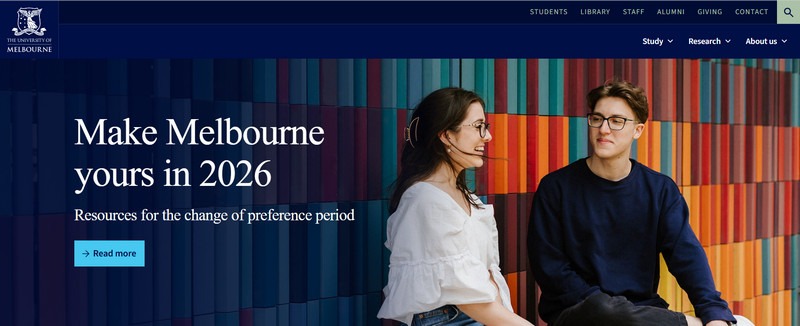
University of Melbourne
Safety, Diversity & Lifestyle in Melbourne
When you live and study in Melbourne, you can rest assured that you’re in one of the world’s safest and most livable cities. Moreover, the city has an efficient and well-funded police department.
As previously stated, it is home to people of around 150 different nationalities, including major migrant communities from Europe, Asia, and Africa. Thus, diversity is an important part of Melbourne’s identity, as it fosters a welcoming and inclusive community.
Finally, residing here allows you to enjoy a high quality of life laden with professional opportunities and an enviable range of leisure activities.
Quick Breakdown of Student Accommodation in Melbourne (Costs & Options)
Average Weekly Rent for Students in Melbourne
Accommodation costs in Melbourne can vary greatly depending on the type of residence and its location. Here is a quick look at the average weekly rent for main student housing options:
- On-campus housing: Approximately AUD $265 – $460 per week
- A Room in Shared Houses: Approximately AUD $270 – $499 per week
- Private studio apartments: Approximately AUD $459 – $699 per week
- Homestays: Approximately AUD $250 – $350 per week
- Hostels: Approximately AUD $90 – $160 per week
What’s Usually Included in Rent
Campuses, student apartments and homestays include several advantages such as unrestricted Wi-Fi, air conditioning, utility bills, 24-hour security, furnished areas, and an active event program. These inclusions offer peace of mind, allowing you to concentrate on your studies while also engaging in a vibrant social life.
However, if you choose to live off-campus in private rentals or shared houses, you may need to acquire some amenities on your own, based on your personal needs.
Short-Term vs Long-Term Accommodation for New Arrivals
When you first arrive in Melbourne, it would be great to have a place already to settle in, especially for those choosing living off-campus. That said, you must research and find a long-term place in advance prior to your arrival.
If you choose on-campus housing or student accommodations, it would be easy to apply online with a guarantee of a real and perfect place. However, if you want to live off-campus, the process of securing a spot might not be that smooth.
For private rentals, it is always best to inspect the place in person before signing the lease. If you are lucky, the place may live up to your expectation and you can close the deal right away. Otherwise, you will need to look for other options, which could take quite some time.
In such situations, short-term accommodation is your savior, including serviced apartments, hostels or hotels. They offer furnished units, often with kitchens, ideal for comfort and self-sufficiency from a few weeks to even months.
Types of Student Accommodation in Melbourne
On-campus Housing
Melbourne is home to many universities and colleges, which means you can find various on-campus housing options like student villages and dormitories.
They are commonly situated on or near university campuses, providing furnished single or shared rooms. Common amenities such as lounges, kitchens, and study rooms are typically available to all students. Moreover, some dorms include resident advisers or staff that can provide help and guidance.
All their features and benefits help create a welcoming communal environment for new students. For example, you can find a spot to stay in the Student Village in The University of Melbourne Campus. They offer all-inclusive rent, covering for all bills, Wifi, student services, etc.
Purpose-Built Student Accommodation (PBSA)
Purpose-Built Student Accommodation (PBSA) is developed by private parties to provide students with tailored accommodations. This type usually provides ideal sites near institutions and essential facilities.
The weekly rate includes a variety of amenities like Wi-Fi, power, water, 24-hour security, furnishings, and access to a dynamic event program. While the initial cost may appear to be larger, the included features make it a wise decision. Furthermore, living in such lodgings promotes a sense of community, which improves your well-being.
For example, Scape is one of the popular choices, which offer various accommodations in multiple buildings across the city. These places offer fully furnished, managed living with strong community vibes and amenities like Wi-Fi, study zones, security, etc.
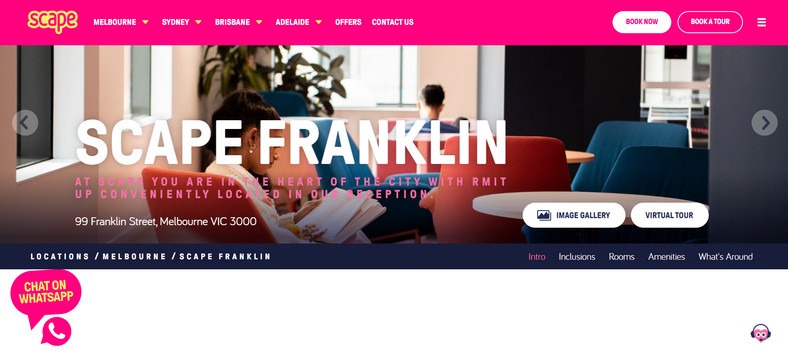
Scape is one of the popular choices for PBSA in Melbourne. Source: Scape
Homestays
A homestay allows you to stay with a host and experience local life. If you choose this option, you will be a guest in someone’s home, living alongside them. This is an excellent opportunity to meet new people and learn about your new surroundings.
There are several agencies you can contact to help you find a homestay placement that suits your requirements. Notably, you are responsible for keeping your place in good condition and leading a life with discipline.
Private Rentals, Studios & Apartments
If you want to live independently, renting privately might be your ideal choice. Needless to say, private rentals, studios & apartments are not cheap and the rent may not be inclusive like on-campus housing. Therefore, you must carefully track and manage additional expenses like electricity, gas, and Wi-Fi besides your rent while renting a place. Also, you will likely need to furnish the area, which may involve additional fees.
Overall, the Melbourne rental market is highly competitive, so starting your search early and being flexible with move-in dates is crucial.
Shared Houses
Shared houses are a great alternative for students who want to rent privately but are unable to cover a whole unit. In a shared house, you will have your own bedroom with basic furniture like a bed or wardrobe. Yet, other amenities like kitchen, living room or even bathroom are to share with your housemates.
Since you will share the place, including bills, you may reduce your living costs. However, the idea of this being a comfortable and economical option can turn into a disaster if you fail to maintain good relationships with your housemates.
Short-Stay Accommodation
As we have mentioned above, short-stay accommodation is an ideal choice if you are unable to secure a long-term lodging at the moment. With a place to rest your head, you can recharge and get up on your feet on your journey to find a nice place.
There are many options for short stays from hostels or hotels to private rentals like Airbnb. They are vastly available, so you don’t need to worry about the supply. Nevertheless, you still need to put the quality above all even though you only stay there for a short time.
Tips to Find Good Student Accommodation
Create a Budget (Rent, Bills, Bond & Living Costs)

A good budget is necessary to find the right student accommodation in Melbourne
When it comes to finding a good student accommodation, financial concerns are definitely on top of your mind. It is not only about how much the rent is but also about how much you can afford with your budget.
Fortunately, with so many options available in terms of pricing, you can find an option that fits your budget the most. But first, you need to create a thorough budget by researching and factoring in different costs.
If the rent is all-inclusive, you shake parts of the burden off your shoulder. Otherwise, you need to sit down and take note of what makes up the monthly rent. This information will play a huge part in choosing between on-campus or PSBA housing and off-campus, private accommodations.
Prioritize Proximity to Campus & Public Transport Links
Your lodging’s location can make or break the way you spend your days. It is not only about getting to class but also about what you will do in your spare time and who you will see. Thus, find a location that is a quick 20-30 minute journey to school from where you stay. It would be long enough to enjoy some breakfast and not eat into your study time.
However, it is a tough competition to find a nearby accommodation. That’s why you need to have a back up plan, which is to find a place with good transportation links to avoid unnecessarily long commutes. That said, you should live within a 10-15 minute walk to public transport.
Inspect Your Neighborhood & Surroundings
Another issue related to your accommodation’s location is how the neighborhood and surrounding areas are like. Students are always encouraged to live on-campus or in PBSAs because of their safe and healthy environment. These types are mainly built to meet the needs of students’ life and study, so you don’t need to worry about any hazardous external factors.
However, for students living off-campus, this issue is more complicated. You are required to do more research, especially in-person inspection since the providers can only guarantee your place’s quality. Needless to say, it is best to avoid areas known for high crime rates or prone to extreme weather events.
Compare Furnished vs Unfurnished Options
Amenities are more than simply perks. They are intended to make your life easier and your living space feel like home. Ideally, the place you stay should provide the following things like reliable Wi-Fi, laundry facilities, and a nice space to sleep and study.
In addition to their availability, you must check their condition, especially for heating or plumbing, to see if they still function well. Ultimately, you can get rid of unnecessary amenities like kitchen appliances if you don’t know how to cook and prefer eating out.
Yet, for the amenities that you need, it is best to learn about their hidden cost associated with usage or maintenance.
Discuss Lease Length, Bond, and Break Clause Basics
When finding a student accommodation in Melbourne, you can ask for details of the lease even if you are not ready to close the deal yet. The terms and conditions in the contract can help you decide if renting the property is worthwhile since they depict your rights and responsibilities as a tenant.
Here are the 3 main points to pay attention to:
- Lease Length: There are 2 types of tenancy agreement: Fixed term & Periodic. A fixed-term tenancy agreement rents a property for a specific period, typically 6 or 12 months. Meanwhile, a periodic tenancy contract often involves weekly, fortnightly, or monthly payments over an unlimited period. So, check with yourself and the landlords to see which types that you want or are offered.
- Bond: You are obliged to pay a rental bond, which is often known as Security Deposit. It is worth four weeks’ rent and refundable. Having said that, make sure you don’t pay more than that and also clarify how to get it back when all conditions are met.
- Break Clause Basics: There are, in fact, penalties for tenants who terminate the contract out of the blue unless you have set and met all the prerequisites in the contract. Thus, before signing the tenancy agreement, make sure you understand all the terms for breaking a tenancy agreement or add some conditions to help you avoid getting fined.
Matching Your Housing to Your Study Load and Work Hours
As we have mentioned several times, your accommodation is not just a place to sleep and eat but also where you grow. So, you need to ensure the new environment fits your lifestyle or at least, makes you feel comfortable.
If you are an active person, it is nice to live on-campus or PSBAs as you can easily make new friends and attend various student events there. Otherwise, living independently may be ideal when you are not a social butterfly.
Furthermore, whether you live on-campus or off-campus, there are certain verbal or non-verbal rules you need to follow to maintain a good living environment for yourself and other people.
For example, you must keep the noise as low as possible, especially at night to avoid disturbing people’s sleep. Or, when you want to bring some friends over to your place, you might need to inform the staff on the campus or housemates.
How to Search for Student Accommodation in Melbourne
University Portals & Official Partners
For students opting for on-campus housing, university portals are the first place to go to. You can find multiple information about accommodation, including room options and costs, rental advice or virtual tours.
Besides, institutions like the University of Melbourne and ACU (Australian Catholic University) with specific halls like Lisa Bellear House, The Lofts or Little Hall provide accommodation for students. Therefore, you can go to their websites to research or apply for a spot in their places.
PBSA & Student Housing Websites
With thousands of students coming every year, there are many major PBSA & Student housing providers in Melbourne. They all offer numerous student residences with modern, fully-furnished rooms, in addition to social events and common areas. Some of them are:
- UniLodge
- Scape
- Dwell Village
You can visit their official websites to check out specific options for detailed info and costs. If there is one that you like and fits your budget, you can quickly hit the “Apply” button right on the site.
Besides, for homestays, there are specialized services that handle everything from matching you with a suitable family to managing funds. You can visit the website of the following:
- Global Experience
- Australian Homestay Network
Real Estate Websites & Local Rental Agencies
In addition to the above student-specific accommodation providers, you can find private rentals or shared houses through real estate websites. The most popular options are:
- realestate.com.au
- Domain
- Gumtree Real Estate
- Flatmate Finders
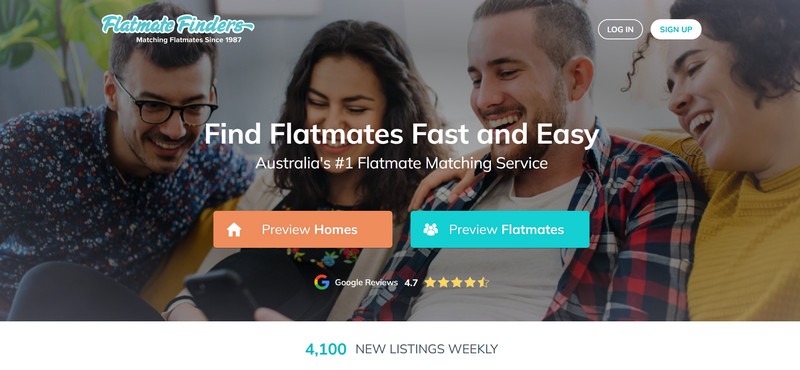
Flatmate Finders is a trustworthy real estate website to find an accommodation in Melbourne. Source: Flatmate Finders
However, since these services are not linked with any educational institutions, you may have to bear all the responsibilities and even consequences when finding an accommodation.
If you quite hesitate about that, you may see a local rental agency. They are experts in this field with broad knowledge about finding a good place and pricing negotiation. Moreover, they can help you with the application process like document preparation and verification. Even better, if you ever get into trouble with the landlord, they can help you sort things out.
Social Media & Word-of-Mouth
You can do research on social media platforms like Facebook or Instagram to locate an accommodation. In fact, many Facebook groups are created to help new students with the need of accommodation in Melbourne.
This source is easy and quick to access. Yet, the information obtained through it is hard to verify and they could be scams. Besides, this source is only common among those looking for private rentals and shared houses. If you want on-campus housing or homestays, you’d better look for them on the official websites.
Last but not least, you can ask for advice from people you know who used to be former students in Melbourne. They not only help you to find accommodations but also deal with any relevant issues thanks to their hands-on experience.
Overall, these sources are put last in the list due to their credibility and effectiveness. Nevertheless, they are still worth your attempt, serving as some great suggestions.
Searching from Overseas vs Searching After You Arrive in Melbourne
With many sources available online, you can easily search for your accommodation from overseas. For example, if you choose on-campus housing, PBSA or homestays, you can visit the university’s portals or providers’ websites. There you will find many room options with details, images or even virtual tours. When you find your favorite option, you can quickly start the application process and reserve the place.
However, you might only start your research after you arrive in Melbourne, if you fail to secure one of the above mentioned accommodations and/or opt for private properties. This is because the information you would obtain from online real estate websites is not enough to guarantee a nice place in real life.
Unlike on-campus housing, PBSA or homestays offered by the education institutes themselves, their partners or trustworthy providers, private rentals are put up for rent by independent landlords. As a result, you will take responsibilities of the whole research and application process, along with the tenancy agreement.
That said, searching after you arrive allows you to inspect the property in person, which is even better than a virtual tour. In our opinion, you can combine both ways: Start searching online in advance to locate potential options and then, when you arrive in Melbourne, examine them in person. This way, you can reinforce your final decision!
Best Places for Student Accommodation in Melbourne
Near the University of Melbourne & RMIT
University of Melbourne & RMIT are 2 main academic destinations for students. Thus, having a place near them is always best!
- Melbourne CBD: It is a dynamic, central hub for students, providing exceptional convenience with transportation, unlimited dining, shopping like Queen Vic Market, and nightlife right on their doorstep, making it ideal for anyone looking for an active, connected city lifestyle. You can find good student housing with big providers like UniLodge, Scape, and purpose-built dorms near institutions, which include studios, shared rooms, gyms, study facilities, and security.
- Carlton: This area is a safe and warm community with high-quality living standards for residents. Moreover, it boasts a diverse range of cafes, vintage boutiques, and a vibrant social scene, making it simple to meet new people and experience the local vibe. With options like Scape Carlton, UniLodge Carlton, and Central, you can find diverse, furnished choices of accommodation with social spaces.
- Parkville: It is lush and calm, and only a short tram ride from Melbourne Central. Popular for student housing, it offers various student housing options ranging from conventional residential colleges to modern apartments.
Near Monash University
If you attend Monash University, here are the best places to stay thanks to its proximity and convenience:
- Clayton: It provides a blend of modern living, dedicated study environments, and a vibrant campus culture, which is supported by a variety of housing and transportation options in the nearby area. You can find on-campus living in modern halls like the Clayton Urban Community with diverse study spots and accessible transport, along with other housing providers like UniLodge.
- Caulfield: This place has an excellent ambiance for student living, with easy access to public transportation, affordable food options, and a variety of social activities. Student accommodation in Caulfield ranges from purpose-built facilities like Caulfield Place (studios with 1-2 beds) to private shared houses near Monash University.
Near Deakin, Victoria University & Other Campuses
For students enrolling in Deakin or Victoria University, the following are some of the best places nearby:
- Burwood: It is home to important educational institutions, including Deakin University’s main campus in Melbourne and several colleges in Sydney. The area has a tranquil, suburban ambiance that is safe and comfortable, making it excellent for focusing and concentration away from the rush and bustle of the city center. There are several on-campus dormitories and off-campus student accommodation alternatives available, making it simple to discover suitable lodging near your study location.
- Footscray: It is famous for its rich multicultural community, offering a wide array of international cuisines. The suburb is just around 5-6 kilometers from the city center and has great public transportation, yet living and housing costs in Footscray are often lower than in Melbourne’s CBD. It is home to Victoria University’s (VU) Footscray Park and Nicholson campuses, along with other private accommodations.
- Bundoora: It is calm and serene, which is ideal for concentrated, long periods of study. The suburb nurtures a vibrant, close-knit student community, which includes many international students and activities. This area provides access to both La Trobe University’s main campus and RMIT University’s Bundoora campus. You can also locate more off-campus housing options, such as private rentals and shared apartments.
City vs Inner Suburbs vs Outer Suburbs: Commute, Cost & Lifestyle
| Commute | Cost | Lifestyle | |
| City | Quick commute thanks to access to great public transports and close proximity to essential facilities and services.However, traffic jams can happen due to high vehicle density. | Expensive rent and high living costsMany hidden expenses for entertainment, shopping, eating out, etc. | Fast-paced life with modern amenitiesNon-stop activity and cultural diversityChallenging due to noise and pollution |
| Inner Suburbs | Great transit accessShorter distances between your place and other amenitiesMore walk/bike options than the city center | Still quite high due to proximity to city centers | A mix of urban convenience and suburban calmClose to the central but far enough from the hustle and bustleTighter-knit communities with stable residents |
| Outer Suburbs | Long commutes due to poor transport linksRequire integrating transportsGood for walk/bike methods but infrastructure gaps make these commutes a challenge | Cheaper in terms of rent and other living expenses | Slower, spacious, family-focused environmentSafer, community-oriented atmosphereLess cultural and social diversity |
Booking Process & Moving-In Guide
When to Start Looking & Booking
As it takes time to find the ideal place to live, you should begin your search as soon as you receive your university offer. Then, students from other countries should make their lodging arrangements one to two weeks before the start of the semester. By that, you will have plenty of time to settle in, visit your new town, and engage in day-to-day life before focusing on your studies.
In fact, as the semester approaches, students compete more fiercely for lodging. Therefore, don’t wait till you arrive in Melbourne to start researching!
Inspection Checklist: What to Look for Before Closing the Deal
Whether you stay on-campus or off-campus, you should inspect the place carefully before you agree to sign the contract. It is because you need to make sure the property in real life is exactly what it is advertised and that you thoroughly understand your tenancy agreement.
Here is the checklist to determine if your palace is of good quality:
- Check for essential amenities and facilities to ensure you have access to basic conveniences.
- Define which side is responsible for repairs and upkeep, and how long the work will endure.
- Determine the rental bond amount, where to deposit, and how you will get it back.
- Study the basics of the break clause to ensure you don’t pay any charges if you unexpectedly terminate your contract.
- Request emergency contacts to request assistance or report difficulties on time.
Guides to Apply & Move In Your Student Accommodation in Melbourne
After you have found the right place, it is time to start the application process via online or in-person methods.
Online application is recommended for students choosing on-campus housing, PBSAs or homestays. Here are the steps:
- Step 1: Hit the “Apply” button on their websites
- Step 2: Submit required documents
- Step 3: Sign residential agreement
- Step 4: Pay deposit and initial fees
- Step 5: Move in
In-person application is recommended for students choosing private rentals or shared houses as you need to inspect the properties directly first. Here are the steps:
- Step 1: Locate the property and then, inspect it
- Step 2: Provide required documents
- Step 3: Sign the tenancy agreement
- Step 4: Pay security deposit/bond and rent
- Step 5: Connect utilities (if needed
- Step 6: Move in
As you can see, both methods will require you to submit the following documents:
- Your passports or visa for identification
- Proof of enrollment
- Financial documents to confirm you can meet rental or accommodation fees
- Details of your guarantor who agrees to pay for your rent as you are unable to do so (if any)

Checklist for moving in your student accommodation in Melbourne.
For moving in, you can also prepare yourself to make the process more comfortable.
- Make a list of everything you’ve taken to your new house to ensure that nothing goes missing while you unpack.
- Examine the property again after signing the lease to report any issues and request repairs on time to avoid being held responsible.
- Go through your place for necessary amenities and facilities to determine whether you have enough or need more, and then build a shopping list.
- Spend some time exploring the school or your new neighborhood after you have moved in.
- Avoid racing through everything at once; instead, set aside time to finish later.
Saving Money & Avoiding Rental Scams in Melbourne
How to Spot Fake Listings & Unfair Rental Conditions
The convenience of online accommodation services is letting you pick the place at your fingertips but there are a few things to be aware of. Among all, scammers are the worst bummer.
However, they should not put you off the Internet or offline services either. Instead, you should learn what to look out for to avoid them down the road.
- Deals that sounds too good to be true: Advertised prices well below the rest of the market
- Request to hand over money before anything else happens: You’re asked for a viewing fee, a holding fee to secure a property, or any other type of upfront charges (typically in the form of an electronic transfer)
- Refusal to let you view the property: You are being given a lot of excuses for why you can’t see the property. For example, the landlord stated that he is overseas.
- Unprofessional listings: They could be low-quality photographs (blurry, pixellated, or merely one distant view), images with text overlay, or simply text (such as an email address). Furthermore, the language in the advertisement may be badly written and sound unprofessional.
Understanding Bond, Deposits & How to Get Your Money Back
When renting a place in Melbourne, whether it is on-campus or off-campus, you will be required to pay a bond. It is a security deposit that you give to the landlord as a type of financial protection, and it is usually returned to the renter if the property is left unharmed at the end of the lease period. The bond will be used to pay for any damages or breaches of the lease.
In addition to the bond, which is typically four weeks’ rent, you must pay at least two weeks’ rent in advance. So, make sure you fully comprehend the payment amounts and due dates.
Sharing Costs Fairly in a Shared House
Discussing money and responsibilities with roommates isn’t always easy, but it’s often better to resolve issues before they arise than to dispute later. Setting clear requirements from the beginning (for both rent and day-to-day expenses) might make everyone feel that the agreement is fair.
- Determine how to divide rent: Some housemates prefer an even split, while others vary according to room size and features. For instance, a roommate with a bedroom, private en suite bath, or a balcony may pay a higher share than someone with a smaller room and no sunlight. Whatever approach you use, discuss it freely so that no one feels shortchanged.
- Make a written agreement: It is advisable for all roommates to be on the lease whenever possible. This holds everyone equally accountable to the landlord. If that is not possible, drafting a roommate agreement is the next best thing. This document can explain how rent, utilities, tasks, and shared obligations are allocated, as well as what happens if someone wants to move out early.
- Track utilities and bills with apps: You can use financial apps to rotate who pays each bill and save the receipts. Or, you can also pay with cash, but utilizing an app provides a digital paper trail, allowing you to see who paid what.
- Engage in open and active conversations: You and your mates should talk about finances beforehand and review if circumstances change. Be proactive rather than reactive to put things in order and maintain a good relationship in the house.
Tenant & Housing Rights for International Students in Melbourne
Key Protections Under Tenancy Law

Tenant & Housing Rights for International Students in Melbourne
If you intend to rent privately in Melbourne or anywhere in Victoria, there are a few things you should know about your rights and protections. You will have the same fundamental rights and legal protections as everyone else in the country, including:
- Inhabiting in a safe and healthy living environment
- Receiving adequate notice of inspections in advance
- Requiring necessary repairs in a timely manner
- Protection of your bond as it must be officially lodged
- Protection against any discrimination, harassment due to your race, background, culture, age, ability, sexuality or gender.
Keep in mind that these rights entail duties. You must follow specific standards and fulfill your responsibilities as a tenant. Otherwise, you may paint yourself into a corner, which may result in severe penalties.
What to Do & Where to Get Help if You Have Problems
If you believe you have been the victim of a fraud or are unsure about a situation, there are many services or organizations to offer assistance. You can schedule an appointment to receive free legal advice on accommodation concerns.
- Your Education Provider: Each educational institution has their own portal and service to help their students with accommodations issues.
- Consumer Affairs Victoria: They provide information for renters, and you can contact them directly if you need more help.
- Tenants Victoria: You can find information and advice on starting and ending a tenancy, common rental problems and language resources.
Besides, you can directly report accommodation scams by contacting Scamwatch, IDCARE or Victoria Police.
Living in Melbourne as a Student: Everyday Life & Essentials
Melbourne’s Climate: Its Effect on Your Accommodation
Unlike the rest of Australia, which is characterized by sunshine and heat, anywhere south of the 35th parallel, including Melbourne in Victoria, is subject to the southern ocean’s weather patterns, which bring Antarctic blasts and cliff-like temperature drops.
For newcomers to Australia, the unexpected chill in a nation known as the “sunburnt country” might be jarring. Yet, the shock is less about the outward temperature and more about how it feels inside.
While a heating system can provide warmth, it is inefficient and expensive, and the pleasant feeling goes as soon as the heater is turned off. That would leave you with cold surfaces, draughts, and a desire for a wearable comforter.
Instead, the most practical approach is to increase the structure’s performance. Its purpose is to avoid heat loss through construction elements such as window panes, door gaps, exhaust fans, fireplaces, downlights, and plumbing penetrations, etc. Thus, when you search for a student accommodation, you can check if your place is equipped with these elements.
Nearby Facilities & Services for Students
Melbourne is a big city with tons of facilities and services that offer all the basic amenities, along with benefits for personal needs. For example, you can visit popular locations such as Melbourne Central and Queen Victoria Market for necessities and atmosphere, Chadstone or stores such as DFO South Wharf for clothing.
Moreover, for healthcare purposes, major public hospitals like Royal Melbourne and Monash Health in various sites like Dandenong, Caulfield provide comprehensive services, with some university clinics providing discounted care for students.
In addition to these universal facilities and services, students can access exclusive facilities. For example, RMIT provides students with research facilities, parking lots, study spaces, indoor and outdoor sports centres or even student-led university health clinics.
How to Commute in Melbourne
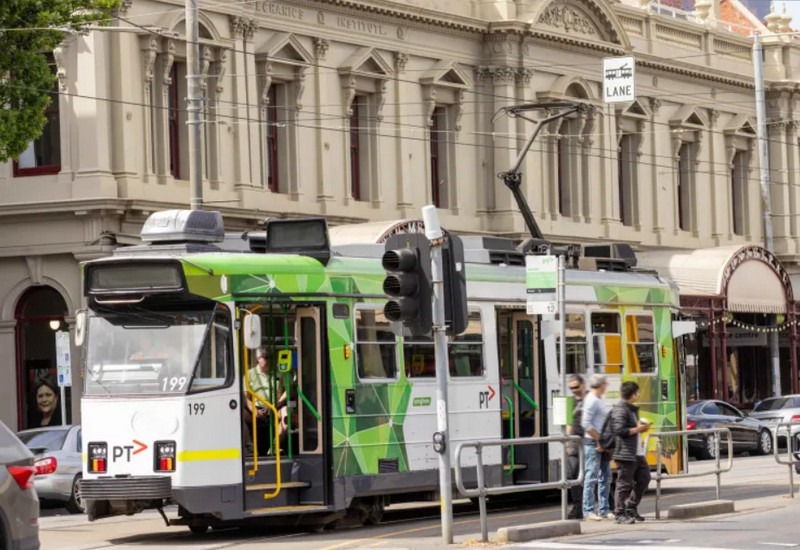
How to Commute in Melbourne as an International Student. Source: City of Melbourne
There are numerous reasons to pick Melbourne as your overseas study destination, one of which is its excellent public transportation. Melbourne’s public transportation system is well-planned and efficient, making it both convenient and cost-effective.
To use public transportation in Melbourne, you will require a myki card. This applies to all trains, trams, and buses, as well as some regional services. You can buy a myki card at rail stations, ticket machines, and convenience stores. Once you have your myki card, you can use it by tapping it into the readers on buses, trains, and trams.
Besides public transport, cycling is a popular method for many students while also being an often recommended option by universities. For example, RMIT has a bike facility to encourage students and support them with secure parking, convenient amenities like showers and lockers, and a community-driven cycling club for all enthusiasts.
Balancing Study, Work and City Life
When it comes to forging a healthy work-life balance, there is no one-size-fits-all solution. It is critical to determine what works best for you and develop a tailored plan. Just remember that your main goal here is to pursue higher education achievement, so your study should be the epicenter of your plan.
Having said that, it is still nice to have some time outside your class or house. Go out and enjoy life in your city. In some ways, you can learn and broaden your horizons, contributing to your personal growth.
Last Thoughts
Melbourne is a bustling city with so much to offer students from cool hangout spots, top universities, and especially, great accommodation options. Find a good place will give you a positive start in your journey of academic achievements.
Therefore, we hope that this guide will be useful for those who are in search of student accommodation in Melbourne. If you need anything else related to studying in Melbourne, you can be sure to find it here.
FAQs
1. What is included in your living expenses in Melbourne?
To help you calculate your total living expenses in Melbourne, here is a breakdown all the relevant costs:
– Rent
– Food
– Gas/Electricity
– Phone/Internet
– Public transport
– Entertainment/Eating out
Note that these are just basic expenses and you might need to pay extra based on personal needs like healthcare.
2. How to cover your rent and living expenses?
To rent a place, you will be required to show documents to prove your financial capability of fulfilling your accommodation payment. If you can not pay for rent on your own, you will have to provide details of your guarantor who agrees to do that.
Besides, earning a scholarship could be a good way to help you cover parts of the rent when you stay on-campus. On the other hand, if you stay off-campus, you might think of finding a part-time job to earn some money to pay for your living costs.

My name is Moni, and I am a seasoned PTE teacher with over 6 years of experience. I have helped thousands of students overcome their struggles and achieve their desired scores. My passion for teaching and dedication to my students success drives me to continually improve my teaching methods and provide the best possible support. Join me on this journey toward PTE success!