
No courses in the enrolment list.


What You Can Bring to Australia: Guide for Travellers, Students, and Migrants

by Moni Vuong
Moving to or visiting Australia comes with strict customs and biosecurity rules designed to protect the country’s unique environment, agriculture, and wildlife.
It is helpful to have information on what you are allowed to bring before you come because it saves you time and prevents penalties for customs violations.
This manual divides key information for students, workers, and tourists into several sections.
Key Takeaways
- Always declare any food, plant, animal, or high-risk items. Declaring is safe, but failing to declare can lead to fines or seizure.
- Australia’s biosecurity rules are strict, so check items in advance to avoid problems.
- Students, workers, and new migrants can bring most personal belongings, but some require inspection or special permission.
Related:
Understanding Australia’s Customs and Biosecurity Rules
How the Incoming Passenger Card Works
Upon landing in Australia, you will need to fill out the Incoming Passenger Card (IPC). This is normally done on your flight or at airport customs. This is one document that is very crucial because it serves as your declaration of goods to Australia. You will need to fill out your basic bio-data information, your travel information, and most importantly, any goods or items you may carry that have the potential to endanger Australia’s biosecurity. This may include such items as foods, plant matter, animal products, medication, or anything else that may carry soil.
It is crucial to respond to these questions truthfully. Even if you may consider your goods to be safe or allowed, it is always best to respond to each question by answering “yes” to any item you may have and thus declare it to customs officials. Such items are screened and mostly cleared promptly. But if not and your item is found during screening processes, penalties may result in hefty fines or even have your visa canceled..
Role of Australian Border Force (ABF) and Biosecurity Officers
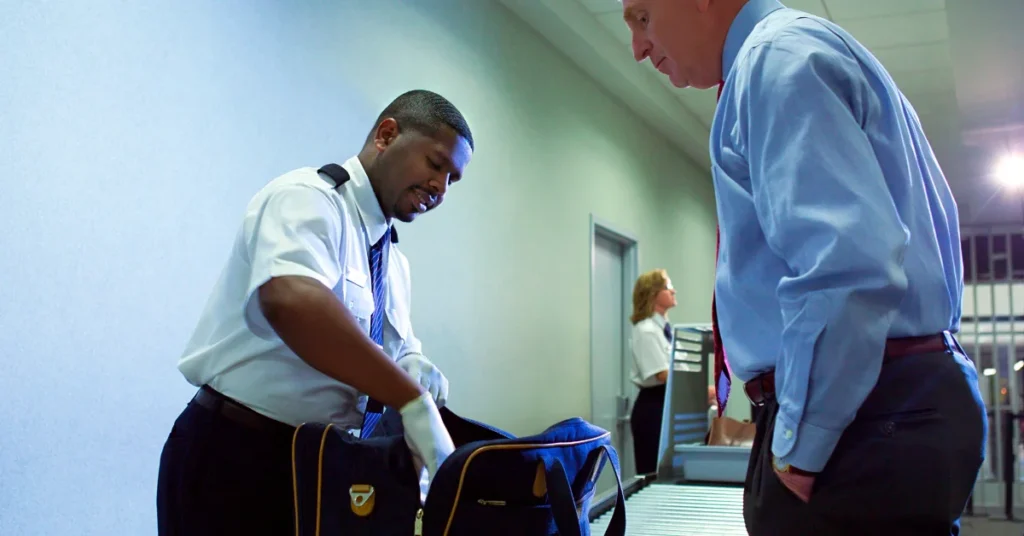
When you arrive at the airport, you will meet two categories of officials: ABF officials and biosecurity officials. ABF officials are responsible for overall border protection. They will inspect your passport, visa documents, travel documents, and bags too. Their task is to make sure nothing illegal or harmfully prohibited gets to Australia.
Biosecurity officer: Biosecurity officers have more special functions. Their work is to safeguard Australia’s environment and farming sector against threats from pests and diseases while also safeguarding its wildlife. Biosecurity officers examine goods you have stated on your passenger card and may also use devices such as X-ray machines or detector dogs to examine your luggage. Biosecurity officers act on goods assessed as-dangerous by deciding whether to release those goods, treat them (e.g., wash or fumigate them), or seize goods for destruction.
Both ABF and biosecurity officials are also present to assist you to enter Australia without any difficulties, but they have strict guidelines to follow too. You just need to follow all guidelines properly to avoid any delay while entering Australia.
Items You Can Bring Without Declaring
Commonly Allowed Packaged Foods and Drinks
There are several food products which do not need to be declared for customs if they are commercial products and come in packs for your own consumption. According to the Australian Border Force, you’re allowed to bring goods such as chocolate or confectionery, while 10 kg of commercial packs of lollies or liquorice are permitted.
Roasted coffee (except for kopi luwak) is also permitted for bringing back home, to a limit of 10kg. Non-perishable fruit juices and soft drinks are also allowed, but they have to come in hermetically sealed packages (such as cans or heat-sealed plastic or ‘tetra-paks’).
Other products like potato crisps and maple syrup may also fall under this “no-declare” category, if they are packed for retail sale.
Personal Belongings and Household Items
When it comes to personal items, ABF will allow you to bring in “a very wide variety of goods as long as they are intended for your personal use and are not part of a commercial consignment.” The Study Australia website also points to examples of personal items such as “clothing, toiletries, etc.,” being acceptable to bring into Australia.
“In essence, if it is something you need for your normal daily life, for example, your shoes, your shower products, your informal gifts, assuming it is not high-risk or regulated goods,” you should be all right for not declaring it for “goods without declaring,” according to Beetlebung.
Duty-Free Limits for Alcohol and Tobacco
There are also particular exemptions for items allowed duty-free for Australia upon entry. For general products such as electronics, clothing, and souvenirs: If you are 18 or older, you can carry goods no more than AUD 900 for customs-free importation if these are not for commercial use.
When it comes to booze, for example, the ABF will permit 2.25 liters of any alcoholic drink for individuals aged 18+.
Tobacco is subject to more limitations: You have to be at least 18 to use tobacco products though others are permitted because of their age requirements, among others.
Electronics, Laptops, and Personal Devices
Electronics for personal use such as laptops, cameras, and phones are also permitted and mostly come under the guidelines for duty-free imports or personal imports, especially if they have been pre-owned.
When arriving at your destination, customs officials may inquire into high-tech electronics, but provided they’re for your own use rather than resale, you shouldn’t have to declare these as “risk goods”.
Clothing, Jewellery, and Personal Accessories
Other items for which new ones come under the allowed customs exemption include clothes, shoes, jewels, and watches. Assuming they have been owned or used for 12 months before importing them, they should also not pay any customs duties (other than fur products).
This implies that you can prepare your suitcase containing your daily clothes and belongings without having to declare each item one at a time provided it is not something unusual or commercial.
Items You Can Bring but Must Declare
Food and Plant Products Requiring Inspection
When you arrive in Australia, you need to declare all your foodstuffs, plant products, and animal products on your Incoming Passenger Card.
“Even for products which do not seem to pose any danger to humans but include herby plants like cinnamon sticks or any sort of commercial tea, inspection may become necessary.” For instance, products like dried herbs (up to 1kg), “Commercially treated fish, nuts, and pasta need to be reported as they could contain insects or animal diseases.”
If these products are inspected, biosecurity officials may then examine these products further or treat them or even deny their entry for some products. According to study Australia, not declaring these products may result in severe consequences such as fines or revocation of visas.
Medicines, Vitamins, and Health Supplements
Pharmaceuticals and dietary supplements intended for personal consumption are required to be disclosed. Atlas Migration recommends bringing prescribed pharmaceutical products (especially controlled substances such as hormones, sleeping aids, or steroids) in their original packaging and declaring them at customs while ensuring they do not contain more than three months’ worth of medication.
You’ll need to indicate “Yes” on your Incoming Passenger Card if you’re importing these types of things.
In some cases, for instance for substances that are more strictly controlled, special approval or paperwork may be required to import them to Australia.
Animal Products, Pet Food, and Related Items
If you are carrying animal products such as meat products, honey, or pet food, you have to declare them. Packaged meat products or honey have to be declared so that biosecurity officials can determine whether they comply with Australia’s safety requirements.
When it comes to pet food, for example, even small quantities have to be reported and in most cases require importation approval based upon types of products and the country of manufacture.
Cultural or Religious Goods That Need Special Permission
Other goods for cultural or religious reasons, for example, herbs for use as traditional medicine or plants or objects for religious or cultural activities entered into the country may also have to be declared. According to ABF, should you have goods for use during a season or for any cultural reason, for instance religious items or traditional or souvenirs, these should be handed in for assessment of biosecurity risk.
These may include items allowed only after inspection or even destruction if they constitute biological security threats. Documentation or explanation for these items facilitates the whole procedure.
Cash, Foreign Currency, and Valuable Items Over the Reportable Limit
You have to declare large cash or foreign currency holdings. When you have A$10,000 or more or its foreign currency equivalent, you have to declare it on your arrival card.
Not reporting this amount may result in major problems. Reporting is crucial for ensuring Australia complies with all financial laws and money laundry laws.
Commercial Samples and Business or Trade Goods
Additionally, if you have goods for business-related purposes such as commercial samples, trading goods, or products for resale, among others, you have to declare them, especially where they go beyond particular values or are for use beyond your personal consumption. It is discussed under ABF’s import requirements that if your goods to be imported by air or sea cargo exceed A$1,000 in value, you have to make an import declaration.
Additionally, goods for trade may also need permits, subject to their kind (for biosecurity or controlled goods).
Items You Cannot Bring to Australia
High-Risk Foods and Agricultural Products
The import laws for Australia are very strict to safeguard its special farms and environments. According to Australia’s biosecurity information, you cannot bring any fresh fruits and vegetables, meat products (even processed products like salami or sausages), poultry products, eggs, or dairy products to Australia without having very special requirements for importation.
These products are regarded as high-risk because they may contain insects or bacteria or any kind of disease which may cause harm to Australia’s farming career.
Should these categories of goods arrive and do not meet allowed terms of entry requirements or contents, they may be destroyed or returned at your cost.
Plants, Seeds, and Soil
Live plants, seeds, soil, and plant materials are regulated.
Many varieties of seed and live plant specimens are simply banned unless you have an import permit for them.
Wooden articles such as craft or souvenirs containing bark or unclean wood are also dangerous unless they are cleaned, insect- and soil-free, and satisfy biosecurity requirements.
Weapons, Firearms, and Dangerous Goods
You cannot bring any weapons or firearms or dangerous substances without valid approval. The Australian Border Force (ABF) identifies prohibited or controlled goods to include firearms and its components, bullets, knives, pepper spray, and others similar to them.
Trying to import all these products without declaring them or getting all necessary permits may result in grave criminal and monetary penalties.
Counterfeit or Restricted Commercial Goods
Knockoffs like counterfeit hand bags or CDs/DVDs/records or copies of clothing are not permitted. It is clearly stated by ABF to seize any goods violating Intellectual Property Rights.
This kind of product may also be held and confiscated, or importing may become illegal.
Illegal Drugs and Controlled Substances
Carrying illegal substances such as marijuana, cocaine, heroin, amphetamine, or any controlled drug is also unlawful.
Prescription or controlled substances should also be reported, while some may have to be documented or approved for importation.
Pirated Media and Items That Infringe Intellectual Property
Items deemed to go against intellectual property rights legislation, such as pirated movies/softwares or counterfeit branded items, are also excluded.
These items can also be confiscated by customs officials at the border, and unlicensed importation is illegal.
Special Rules for Students, Workers, and New Migrants
Bringing Study Materials, Textbooks, and IT Equipment
When moving to Australia on a student or work visa, you may import any learning material or electronic devices such as laptops and other information and communication technology devices. These devices come under personal effects or imports for personal use rather than business or commercial activities. According to customs laws at the Australia Border Force Agency (ABFA), laptops or any electronics are allowed importation for personal use without payment of any customs or duties at all.
When moving these or traveling with them too, it is also helpful to have documentation such as receipts for purchase or a packing slip so one can be assured that customs or freight handlers know what they are receiving.
Shipping Furniture and Household Goods in Unaccompanied Baggage
Many new migrants bring their furniture and household items in shipments separate from their personal items, which is referred to as Unaccompanied Personal Effects (UPEs).
To enjoy this concession:
- The goods should have been owned and used for at least 12 months prior to Australia before they can be exported.
- These requirements need to be met to allow for exemption from or reduction of duties for importing such personal effects:
- Before you begin to pack your things away, it is crucial to properly clean them, especially if they contain plant or animal material or are constructed of such things as wood or soil.
- You will have to fill out a B534 Unaccompanied Personal Effects Statement for ABF.
- When inspected, biosecurity officers may treat or dispose of anything that could be dangerous.
Mailing Items to Yourself Before or After Arrival
You can also deliver your belongings to yourself internationally through mail or shipping services instead of having to carry all of them while flying back home. According to the Department of Agriculture (DAFF), unaccompanied personal effects can reach you through air cargo, vessel cargo, or post.
Nevertheless, these objects are still liable to biosecurity screening: anything that has come into contact with soil, plants, animals, or food may potentially be problematic.
To help make the process smoother:
- A comprehensive packing list should include details of each box’s contents: description of contents such as wood, metal, plastic etc.
- Ensure any goods posing any biosecurity threat–for example, any wooden furniture or gardening tools–are properly cleaned to remove all plant matter debris and soil and are completely dry.
- Engage a broker or customs agent knowledgeable about personal effects clearance to aid you through the requirements or to book inspections for your convenience to facilitate clearance.
- Be aware of any treatment fees: You may have to pay if Biosecurity wishes to treat your goods (for example, to fumigate your timber).
Penalties, Fines, and How to Avoid Problems at the Border
On-the-Spot Fines, Seizures, and Prosecutions
A biosecurity regulator’s biosecurity laws strict enforcement is prevalent in Australia, and failing to declare biosecurity risk goods carries severe penalties. According to Biosecurity Act 2015, biosecurity regulators have the power to give infringement notices at the airport itself for any undeclared goods that may contain biosecurity risks.
For instance, failure to respond to questions genuinely or give misleading information to your Incoming Passenger Card may invoke a fine.
Based on how serious the products are as risk goods, fines can go from 2 penalty units (approximately A$660) to 20 penalty units (about A$6,600).
In serious cases, sterner civil sanctions may also be applied to the offender, fines reaching into the tens or hundreds of thousands of dollars under the Biosecurity Act.
There have also been situations where visas have been revoked for intentional concealments of banned things to be deported back to one’s country.
What Happens If You Make a Mistake on Your Declaration Card?
Errors reported on the Incoming Passenger Card may not necessarily be treated as ignored errors but may result in penalties, especially if such errors include undeclared biosecurity risk goods. A biosecurity officer may give an infringement notice where they suspect any false or misleading information is contained on the form.
But if these documents were deliberately false or misleading (for example, making a false statement on the IPC), then this is also criminal under the Biosecurity Act.
Repeated or wilful offenders may also attract stiffer civil penalties. For instance, serious offenses may attract as many as 1,200 penalty units at most, depending on the offense.
Tips to Stay Compliant and Stress-Free at Arrival
To avoid problems and make your arrival smoother, here are some practical tips:
- Answer your declaration card honestly: If you are unsure whether to include something on your declaration card, just tick ‘Yes’ to declare it and let biosecurity officials check it.
- Know the Rules: Before you go, go to the ABF and Department of Agriculture sites for any changes to what items you can and cannot bring into Australia.
- Keep receipts and documents: A receipt for purchases of goods (especially food or plant products) can quickly tell customs officials what goods you are bringing to declare.
- Cooperate during inspections: When the police want to inspect your baggage, respond quickly and permit them to do so because attempting to conceal things will just worsen your condition.
- Utilize voluntary disclosure if required: In cases where products are potentially near or high-risk categories, consideration may be given to informing officials or seeking their advice to check for compliance.
- Clean products: Before making your trip, clean any products which may contain soil or plant or animal matter (for example, camping gear or shoes).
- Be ready to pay or dispose of it: You may need to pay for its fumigation or disposal if your item is not allowed or requires treatment. It is good to know this may happen to your item.
Practical Packing and Arrival Tips
How to Prepare Before You Travel
Before you even begin to pack your bags, it is always helpful to check what you are planning to take against Australia’s biosecurity requirements. The Department of Agriculture (DAFF) advises using Biosecurity Import Conditions (BICON) to assess whether your item is permitted, requires importation by permit, or requires treatment.
Sporting or camping gear or items that have come into contact with soil or flora or fauna such as hiking boots or wooden carvings should also be cleaned before being packed for importation to avoid any quarantine-related difficulties:
When you are packing your goods to take to customs for biosecurity inspection, it is helpful to put your “risk” goods together into boxes or compartments, making them easy for customs officials to find quickly to inspect.
Additionally, it is also recommended to avoid using second-hand boxes which have previously contained fruits, vegetables, or meat products.
What to Do at Customs and Biosecurity Checkpoints
Upon landing, you have to fill out your IPC and, if you have any goods that may pose biosecurity threats to Australia, make sure to declare them.
When your goods for declaration are screened by the biosecurity officer, they may employ techniques such as X-ray screening or detector dogs.
In cases where your officer decides it is a risk, they may advise you to dispose of it or treat it or have it exported or destroyed in serious cases.
Importantly: if your gear is properly cleaned and you have been truthful on your form, this just makes everything flow better and helps to cut back on delay and cost concerns.
Using the ABF “Can You Bring It In?” Tool
It is always wise to take advantage of the “Can You Bring It In?” guide provided for by the ABF before embarking on any business or vacation trip to determine whether or not particular items can be brought into a particular country.
When shipping things to yourself, you also have to correctly enter your item contents on the mail or cargo label rather than simply putting “gift” or “goods” on it. You have to give a detailed list of what is inside each parcel and what each item is made of.
How to Pack “Risky” Items to Make Inspection Easier
For goods potentially requiring biosecurity screening, such as shoes, camping equipment, or wooden products, these are the guidelines for packing:
- Clean everything thoroughly: wash away soil, plants, and any kind of organic matter.
- Pack these items in their own clearly labelled boxes away from “safe” household items. This will quickly direct biosecurity officials to these items.
- Ensure your packing is detailed: number each box (Box 3 of 10) and document what is inside each one (e.g., contents: “metal bed frame, chair made of wood, plastic toys” etc.).
- Risky packing materials: avoid using egg cartons, fruit/vegetable cartons, or straw to fill cartons or boxes.
- Ensure all products are thoroughly dry. For instance, any outdoor gear should be totally bone-dry: water is a major biosecurity risk.
FAQs
Can I Bring Homemade Food or Snacks for Friends and Family?
Yes, but you have to declare them. Homemade food can also be a biosecurity risk under Australia’s laws.
According to the Department of Agriculture, all types of food should also be reported on your Incoming Passenger Card if they have biosecurity risk values.
When you declare them to biosecurity officials, they can inspect them for risks. Based on risks, they may treat them or dispose of or let them go through.
Tips: A good guideline to follow is: “If you are unsure, just declare it” regarding whether or not your homemade foods are considered ‘risky’.
What Happens If I Forget to Declare an Item?
If you do not declare a biosecurity-risk good, you may incur penalties. Biosecurity officers have infringement notice powers.
As per guidelines provided by the government, misrepresentation or failure to disclose information as required may result in civil penalties or even criminal charges being filed against taxpayers.
In serious offenses,visas may be revoked or withheld for future entry if offenders continue to violate visa requirements.
Can I Bring Gifts and Souvenirs from Other Countries into Australia?
Yes but you have to declare any goods presenting biosecurity risks and particularly those composed of plant or animal products.
For cultural or seasonal gifts (such as foodstuffs, plants, or wooden goods), biosecurity personnel may inspect these items, or they may need to be treated (for example, fumigated).
When shipping presents to oneself before or after their receipt does not include the mailing declaration specifying contents such as wood or plant or animal products for packages containing these types of things.
Are There Different Rules for Transit vs Entering Australia?
However, biosecurity requirements remain applicable while in transit. According to Smartraveller guidelines, if entering or transiting Australia, you have to declare any prohibited or banned goods on your Incoming Passenger Card.
Regardless of whether you’re just transiting (without exiting the airport itself), your luggage could still need to go through inspection: the police may employ X-ray scanners, canine searches, or simply ask for its inspection. You should declare any food or goods you may have brought with you, as failing to do so may result in being fined.
Conclusion
Complying with Australia’s import conditions and regulations will make your arrival stress-free. You can make your entry smooth into Australia by being honest with your imports, preparing your goods correctly, and making use of all resources at your disposal.
Last updated on 12/12/2025

My name is Moni, and I am a seasoned PTE teacher with over 6 years of experience. I have helped thousands of students overcome their struggles and achieve their desired scores. My passion for teaching and dedication to my student’s success drives me to continually improve my teaching methods and provide the best possible support. Join me on this journey toward PTE success!




















I am a firm believer that the best teachers educate with their hearts not just their minds.
Moni | PTE MAGIC International Founder
Explore PTE
Tips & Tricks
In this 2026 guide, you’ll see a complete breakdown of real living expenses, part-time job...
Read more →The cost of living in Hobart among international students is among the most important aspects...
Read more →Why Adelaide Is One Of Australia’s Most Budget-Friendly Cities Adelaide is also unique in its...
Read more →