Cost Of Living In Sydney For International Students (2026 Full Breakdown Guide)
03 March 2026
Why Sydney Is Popular But Expensive For International Students
Sydney As A Multicultural And High-Demand Study City
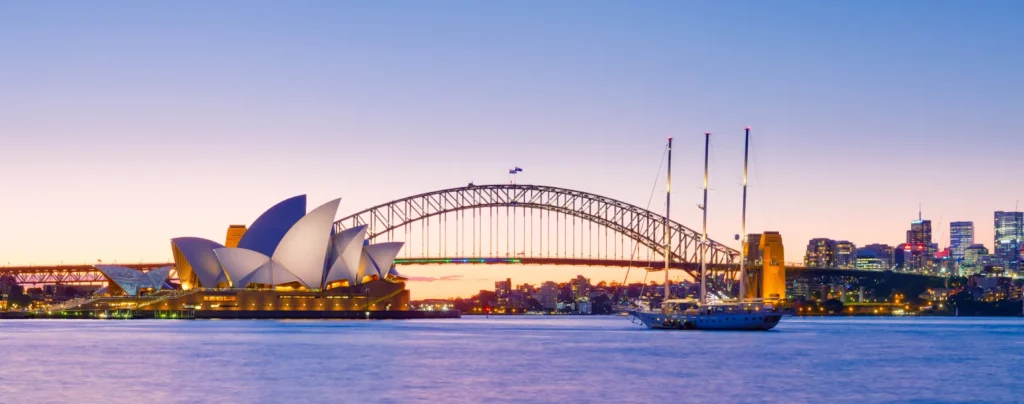
Sydney continues to be the dream to thousands of international learners who wish to study in Australia annually.?
The city is the home to global-ranked universities and provides the global standards of academic services, high career performance, and a diverse multicultural climate. Over 150 nationalities work, study and live there which makes it an easy place to get settled and establish relationships among new students.
Nonetheless, increased demand puts pressure on housing, transportation and the overall cost of living. The cost of living in Sydney for international students is increasing every year as more students prefer Sydney, making it mostly expensive around the central suburbs and coastal suburbs. This renders planning and preparation of every new-comer to be vital.
Why Cost Planning Is Essential For Students
Budgeting is very essential to any student planning to study in Australia. Students not having a definite plan can get into sudden needs like rise in rent, bond payments, commuting or even medical bills.
Since living expenses are high in Sydney compared to other cities, prudent financial management will reduce stress levels, enhance stability, and enable the student to concentrate on their studies.
Living Expenses Trend From 2024 To 2026
Between 2024 and 2026, a number of major changes affected the student costs in Sydney:
- Rent had gone up between 8-15% owing to shortage of supply.
- Groceries were increased by 4-7% due to inflation in the country.
- Under the Opal system transport costs did not fluctuate.
- Energy prices have been adjusted measurementally upwards, which has made utilities go up.
These changes have direct effects on the overall cost of living in Australia, particularly to new international students.
Sydney Vs Other Global Student Cities
The price of Sydney is higher than the price of Brisbane, Adelaide, Perth and Hobart but lower than the price of Toronto, London and San Francisco. The soundness of quality colleges, security, nice climate and international employment opportunities makes it one of the most preferred and expensive cities among international students wishing to study in Australia.
Related articles :
- Cost of living in Melbourne
- Cost of living in Brisbane
- Cost of living in Adelaide
- Cost of living in Hobart
- Cost of living in Darwin
Average Monthly Cost Of Living In Sydney (2026 Overview)
Summary Table Of Monthly Expenses
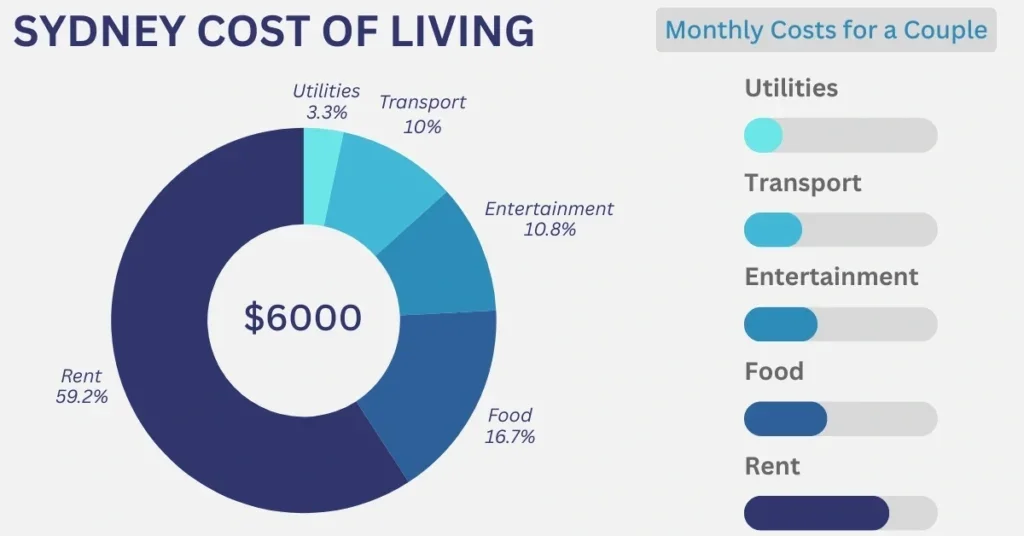
| Category | Average Monthly Cost |
| Accommodation | 800 – 800 – 800 – 1.600 |
| Food & Groceries | 350 – 350 – 350 – 650 |
| Transport | 35 – 35 – 35 – 180 |
| Utilities | 140 – 140 – 140 – 220 |
| Phone/Internet | 60 – 60 – 60 – 90 |
| Personal Expenses | 300 – 300 – 300 – 600 |
| Total | 1,700 – 1,700 – 1,700 – 3,200+ |
Estimated Total Student Budget
Majority of the international students studying in Australia incur an amount of 22,000 – 22,000 – 22,000 – 38,000 per year without tuition. Those students who travel a long distance to the CBD, live in a room, and eat at home tend to remain on the lower end of the cost of living in Sydney for international students.
Most Affordable Suburbs
The suburbs that are budget friendly are Parramatta, Burwood, Ashfield, Auburn, Lakemba, Rockdale, and Hurstville. These communities are best in the provision of public transport, multi-community, and cheap rental prices, and are therefore best used to control Sydney student expenses.
Comparison To National Average
The average price of a Sydell is usually 18-35 percent higher than the common average cost of living in Australia. The biggest contributor to this difference is accommodation.
Accommodation Costs In Sydney
On-Campus Housing Costs
Campus dorms are secure, near the university facilities, and mostly have utility. Prices range from 350 – 350 – 350 – 550 per week. Even though it is a little more expensive, in the first year, many students choose it as they get used to life in Australia.
Shared Apartments And Private Rentals
Students studying in Australia mostly use a shared apartment.
- Shared room: 200 – 200 – 200 – 300/week
- Private room: 300 – 300 – 300 – 450/week
- Studio or entire unit: 500 – 500 – 500 – 750/week
Since rent constitutes a majority of the cost of living in Sydney for international students, making the correct selection of the type of accommodation comes in a big way.
Homestay Options For Students
Homestay programs range in terms of about 350 – 350 – 350 – 450 per week and they cover meals. This would be suitable among younger students, or students who require an encouraging atmosphere upon their initial introduction to Australia.
Cost-Saving Tips For Accommodation
The students will be able to save on sharing rooms, living in outer suburbs, avoiding the expensive coastal areas, and can be among the first to join Facebook groups to secure quality deals.
Rental Cost Differences By Suburb
| Suburb | Weekly Rent |
| Sydney CBD | 450 – 450 – 450 – 850 |
| Zetland/Waterloo | 400 – 400 – 400 – 700 |
| Burwood/Strathfield | 300 – 300 – 300 – 450 |
| Parramatta | 250 – 250 – 250 – 400 |
Food, Groceries & Eating Out Costs

Weekly Grocery Cost
The majority of the students spend 80 – 80 – 80 – 150 per week at the Coles, Woolworths, Aldi or Asian markets on groceries. Purchasing in bulk saves the Sydney students a lot on the general expenses.
Budget Vs Student-Friendly Dining Options
- Campus meals: 8 – 8 – 8 -14
- Asian food courts: 10 – 10 – 10 – 15
- Fast food: 10 – 10 – 10 – 12
These alternatives contribute towards the regulation of the cost of living in Sydney for international students.
Coffee And Snack Spending
An average coffee in Sydney will cost 4.5 – 4.5 – 4.5 – 6, and snacks cost 3 – 3 – 3 – 8. Such minor purchases add up easily over the month.
How To Save Money On Food
Prepare and cook at home, have fewer takeaways, purchase when the sales are on, and share grocery items with roommates to lower the overall cost of living in Australia wide.
Transport Costs For Students In Sydney
Opal Card & Concession Benefits
The Opal card enables the people who study in Australia to have discounts, limited weekly fares and reduced off peak prices.
Weekly And Monthly Travel Estimates
| Travel Level | Cost |
| Light | $15/week |
| Medium | 25 – 25 – 25 – 35/week |
| Heavy | 40 – 40 – 40 – 60/week |
Cheapest Routes And Off-Peak Travel
Off-peak travel will save up to 30% and eliminate congestion, so commuting on a daily basis will be more affordable and comfortable.
Budget Friendly Transport Tips
When there are opportunities to walk, it is better to walk, during non-hurricane seasons, use ferries wisely, and during the surge pricing avoid using rideshare.
Utilities, Phone, Internet & Other Expenses
Electricity, Gas, Water Costs
The common fees in shared apartments are between 30 – 30 – 30 – 50 per person per week, depending on usage and location.
Internet And Mobile Plan Options
Internet: 70/month?
Mobile plans: 20 – $40/month depending on data?
Personal Expenses Overview
The company has an average of 300 – 300 – 300 – 600 monthly expenses as costs on necessities like toiletries, entertainment, gym memberships and clothing.
Hidden And Unexpected Costs
It is noteworthy that visa payment, tenancy deposit, text books, health costs, and insurance are major factors in the cost of living in Sydney for international students.
Australia Wide Cost Comparison?
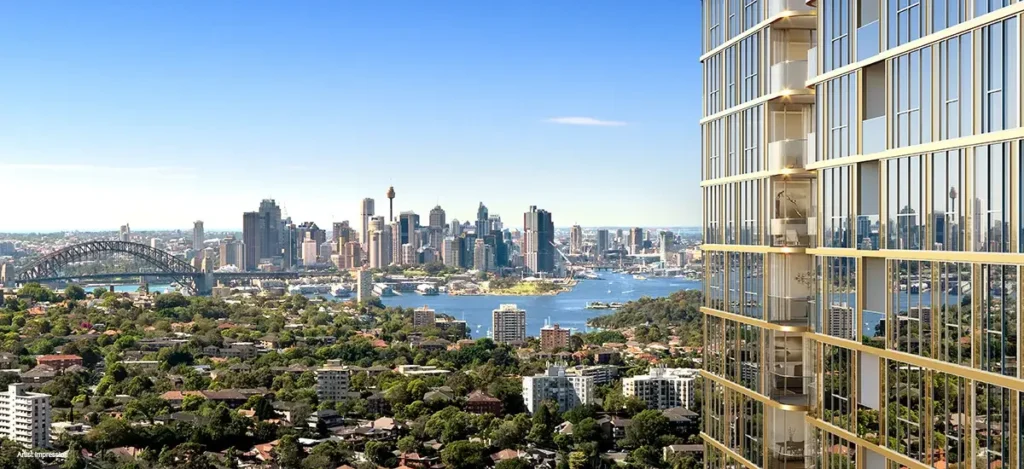
Rent Comparison Across Major Australian Cities
The biggest consideration in the cost of living in Australia is rent. Sydney Due to the very high demand and a low supply of housing, it is the most expensive.
Melbourne comes at a marginally lower cost particularly at the outer areas. The regions of Brisbane and Gold Coast boast a more moderate rental market and hence they are attractive to students seeking a cheaper lifestyle to enjoy. Adelaide, Perth and Hobart also offer the cheapest rental prices which are usually 30 – 45% less as compared to Sydney.
| City | Rent Level | Notes |
| Sydney | Highest | Competitive market, limited supply, high demand from international students |
| Melbourne | High | Slightly cheaper than Sydney, strong student communities |
| Brisbane | Medium | Affordable apartments, growing student population |
| Canberra | Medium High | Higher wages but limited affordable housing |
| Gold Coast | Medium | Reasonable rent, popular for hospitality jobs |
| Perth | Lower | Many affordable rentals, less competitive market |
| Adelaide | Lower | Very student-friendly pricing |
| Hobart | Lowest | Cheapest rent but smaller job market |
Food & Grocery Cost Comparison
Food and groceries do not vary much among the major cities, although Sydney and Melbourne are usually the highest in the rating due to the related operational and distribution expenses.
Slightly lower supermarket prices are generally available in Brisbane, Perth, Adelaide, and Hobart. It is a common prescription among students who study in Australia that groceries in the suburbs are cheaper by 5 – 10% compared to the inner-city stores.
Transport & Commuting Cost Comparison
The transportation between cities is considerably different. The Opal card system in Sydney is ranked as one of the cheapest long distance systems on an account of the weekly compounds and discounts on fares in the off-peak times.
Melbourne Myki system is higher for daily users. Brisbane, Perth, and Adelaide have reasonable public transport availability and concessions are available extensively to students studying in Australia. Hobart depends more upon buses which are cheap and less frequent.
Utilities, Phone, Internet Comparison
- Utility prices tend to be uniform in Australia with only slight variations that are subject to differences based on energy suppliers and weather.?
- The cities of Sydney and Melbourne have a marginally higher power requirement since they are in apartments.?
- Perth and Brisbane even have lower electricity rates in it although Hobart can be cheap in electricity but more in heating during winter.?
- The price of Internet and mobile plans is almost the same all across the country.
General finding: The cost of utilities hardly accounts much to the overall cost of living in Sydney for international students, in comparison with the rent and groceries.
How To Reduce Living Costs In Sydney
Part-Time Job Tips
International students can work up to 48 hours in a two-week period, which will contribute to offsetting the cost of living in Sydney for international students. Popular is hospitality, retail and tutoring.
Student Discounts
Take UniDays, ISIC, online public transport offers, deals at the university.
Budget-Friendly Suburbs
Lakemba, Auburn, Parramatta, Rockdale and Ashfield assist in the minimization in the total Sydney student expenses.
Free Activities For Students
Sydney is full of free beaches, museums, nature walks, and festivals. It is cheap but does not give a miss to the fun.
Financial Management Tips
Limit spending weekly, monitor the expenditure, and eliminate unwarranted subscriptions.
How PTE Magic Helps Students Prepare Financially & Academically
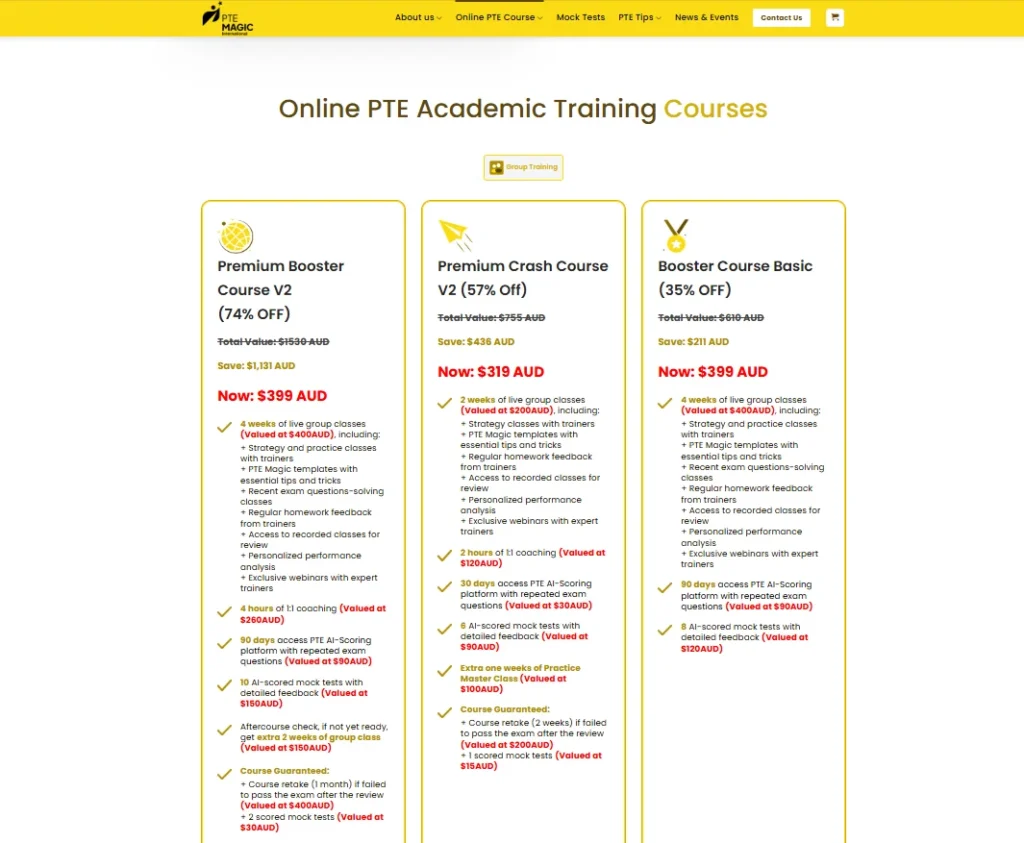
PTE MAGIC is one of the most ingenious systems that assist international learners intending on studying in Australia as it is a PTE Academic/PTE Core, which is a Pearson approved training platform launched in 2016.?
Through the years PTE MAGIC has been assisting thousands of students in mastering the English language not only to pass the exam but also in the real life communication they required once they moved around.
Affordable Online Pte Programs
PTE MAGIC offers PTE Academic/PTE Core online courses that are accepted at Pearson. Such programs assist the students in achieving the university English requirements prior to studying in Australia.
Score Improvement For Scholarships
Higher scores on PTE will make one eligible for merit-based scholarships to help lower the tuition payments and the general cost of living in Australia.
Community Groups For Budgeting
PTE MAGIC provides a network of active learning via its Facebook groups, Tik Tok community, and YouTube channel (Moni PTE MAGIC) where students share useful knowledge regarding budgeting, accommodation, and PTE preparation.
Free Planners And Student Support
The students are provided with the daily study planners, PTE templates, accommodation checklists, and real-time support. Such resources assist new tourists in settling easily even before they embark on their study in Australia.
Faq – Sydney Cost Of Living For International Students
Average Monthly Cost
Depending on the lifestyle and accommodation options, students spend 1,700 – 1,700 – 1,700 – 3,200 a month.
Minimum Budget Required
At least, to make ends meet, there is a need to have a minimum of $1,500 per month, excluding emergencies.
When Sydney Is Most Expensive
The increases in costs occur in the months of December-February (summer), university intake months and holiday months.
How Much Should Students Budget For Emergencies?
Suggested emergency fund is at least 1,000 – 1,000 – 1,000 – 1,500 as an emergency fund, which can be utilized in case of a medical necessity, unplanned travelling, or a last-minute adjustment in the rent.
What Is The Average Cost Of Textbooks Or Study Materials?
The average students incur about 300 – 300 – 300 – 600 per semester based on the program undertaken although many purchase second hand books in an attempt to lower the cost of living in Australia wide.
Are On-Campus Jobs Easy To Find?
Universities have casual opportunities, which include library assistance roles, student services, and event staffing, not always.
What Payment Methods Do Most Sydney Renters Accept?
Most accept bank transfers. There is not much cash and students must not have landlords who demand queer payment to avoid being scammed.
How To Plan A Sustainable Budget In Sydney
Key Budgeting Steps
Keep a record of all the expenses per week, compare suburbs, meal plans, and have a good idea of the monthly budget. Budgeting applications available to control Sydney student expenses.
Choosing The Right Suburb
Select an efficient transport suburb, fair prices, and safety. The suburbs within the 20 – 35 minutes of the CBD are the most economical.
Final Recommendations
Before embarking on studying in Australia, plan well, exploit student communities, avail yourself of PTE MAGIC support, and prepare both academically and financially before making the step. An intelligent strategy goes a long way in staying stable, comfortable and successful.

My name is Moni, and I am a seasoned PTE teacher with over 6 years of experience. I have helped thousands of students overcome their struggles and achieve their desired scores. My passion for teaching and dedication to my students success drives me to continually improve my teaching methods and provide the best possible support. Join me on this journey toward PTE success!